

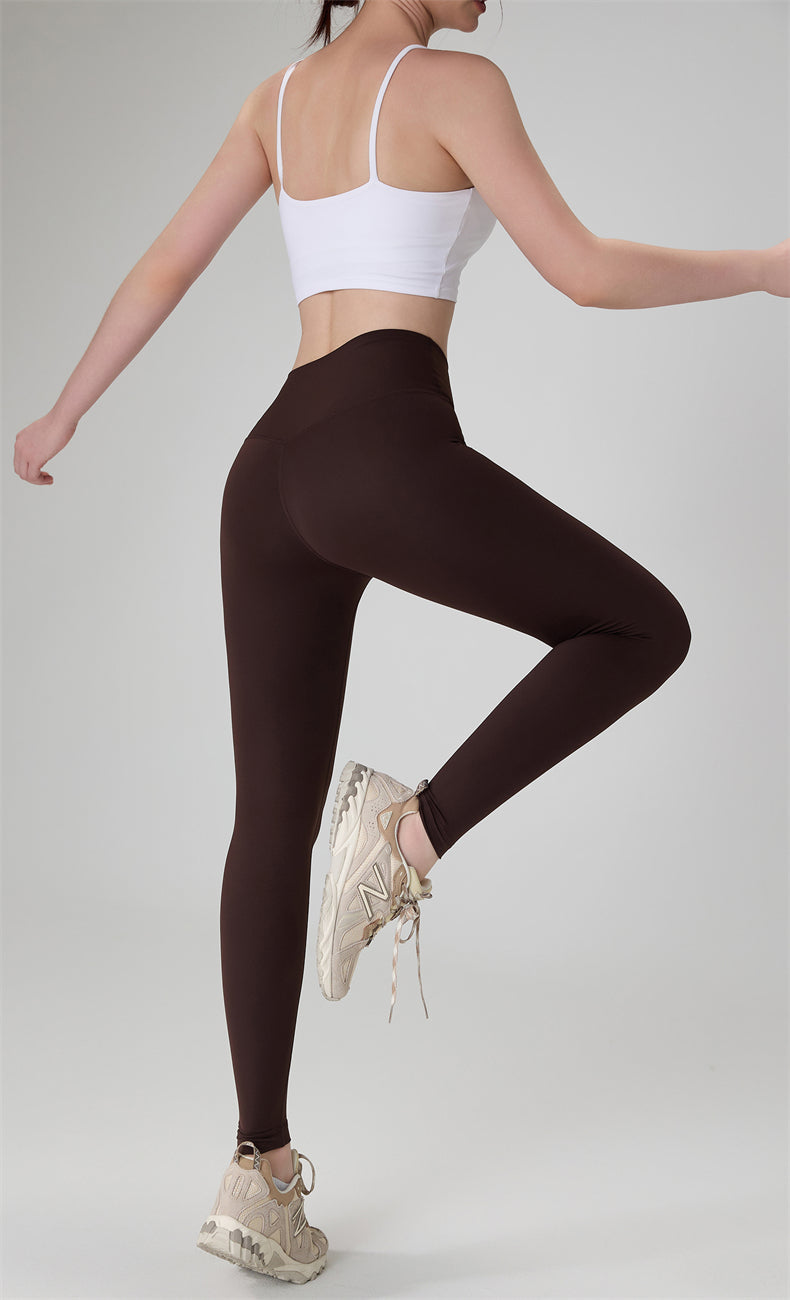
Spandex is common in yoga tops, tanks, sports bras, leggings, and many other activewear pieces because it helps fabric stretch and recover. Without stretch fibres, activewear would often feel stiff, baggy, or restrictive during movement. But like any material choice, spandex has advantages and trade-offs.
The right question is not whether spandex is good or bad. The better question is how much stretch you need, what kind of fit you prefer, and how the garment is designed.
Advantages of Spandex in Yoga Tops
The biggest advantage is movement. Spandex helps a yoga top move with the body during stretching, twisting, and reaching. It can also help a garment recover after wear, so the piece does not feel loose after one class. For close-fitting tops and sports bras, stretch can improve comfort and make the garment easier to put on and take off.
Spandex can also help activewear hold its shape. In a tank or fitted tee, this means the neckline and body can sit more smoothly. In leggings or yoga pants, it supports a flexible waistband and comfortable movement.
Possible Disadvantages
Spandex can be sensitive to heat, harsh chemicals, and rough washing. High heat may weaken stretch fibres over time, while fabric softener can leave residue that changes the feel of activewear. Some shoppers also dislike highly compressive garments if they prefer a relaxed daily fit.
Another consideration is opacity. Stretch is helpful, but the whole fabric needs enough coverage. A garment should feel comfortable when you bend, sit, and move, not just when standing.
How to Choose the Right Stretch Level
For yoga and Pilates, many customers prefer a soft stretch that follows the body without feeling too tight. For high-impact training, stronger support may be useful, but Lepeins focuses mainly on low-impact movement, everyday active styling, and polished comfort. If you want a calmer feel, look for pieces that describe softness, smooth coverage, and flexible movement rather than heavy compression.
Read more about our fabric direction on the NULS fabric technology page.
Care Tips for Spandex Activewear
Wash cold, turn garments inside out, avoid fabric softener, and air dry. Do not leave damp activewear sitting for long periods. These habits help protect stretch and keep the surface looking smoother.
If you are between sizes, use the Size Guide and think about how the garment should feel during movement. Too small can feel restrictive; too large may shift or lose support.
How to Shop This Topic at Lepeins
The easiest way to make activewear feel more useful is to connect each purchase to a real routine. If you practice Pilates or yoga, start with support and movement first, then think about styling. A soft sports bra, a breathable top, and a bottom from our yoga pants and bottoms collection can cover studio classes, walks, travel days, and relaxed plans. If you prefer a more streamlined look, compare leggings. If you want coverage with a softer outline, browse skorts and easy skirts.
For fit, do not guess from the label alone. Compare your usual activewear size with the Size Guide, then consider whether you like a close held-in feel or a slightly easier everyday fit. When in doubt, choose the size that lets you breathe, stretch, sit, and move without adjusting the piece constantly.
How Spandex Affects Everyday Wear
In everyday activewear, spandex is most useful when it helps the garment return to shape after sitting, walking, stretching, or layering. This matters because many customers are not only wearing their pieces for one class. They may wear them while travelling, running errands, or moving between plans. A fabric that stretches but does not recover can begin to feel tired quickly.
At the same time, more stretch is not always better. A very stretchy garment can feel less supportive if the fabric is too thin or the pattern is not well balanced. Look for the combination of stretch, coverage, and comfort. When all three work together, the piece feels easy to repeat. When one is missing, the garment may look fine online but feel distracting during real movement.
Final Buying Reminder
Before checkout, ask whether the piece solves a real wardrobe problem: more coverage, softer fabric, easier layering, better support, or a bottom shape you will repeat often. This keeps activewear shopping focused and helps avoid pieces that look good online but sit unused. For Lepeins customers, the strongest choices are usually the ones that move from studio practice to daily plans without needing much styling effort. Check colour, size, and care instructions, then choose the option that feels comfortable for your weekly routine.
FAQ
Is spandex good for yoga tops?
Yes, it can be very useful because it adds stretch and recovery. The best result depends on the full fabric blend and garment design.
Does spandex mean strong compression?
Not always. Some spandex blends feel soft and flexible, while others are designed for more compressive support.
How do I make spandex activewear last longer?
Wash cold, avoid fabric softener and heat, and air dry away from harsh direct sun.
A Soft Next Step
If you are refreshing your wardrobe, begin with one piece you can wear in more than one setting. Explore New Arrivals for the latest colours and silhouettes, or browse Best Sellers if you want a simple place to start. Lepeins is designed for women who want activewear that feels calm, polished, and comfortable through real New Zealand days.